AI in Digital Sports Coaching
11 Apr, 2026 | By Unifying Expo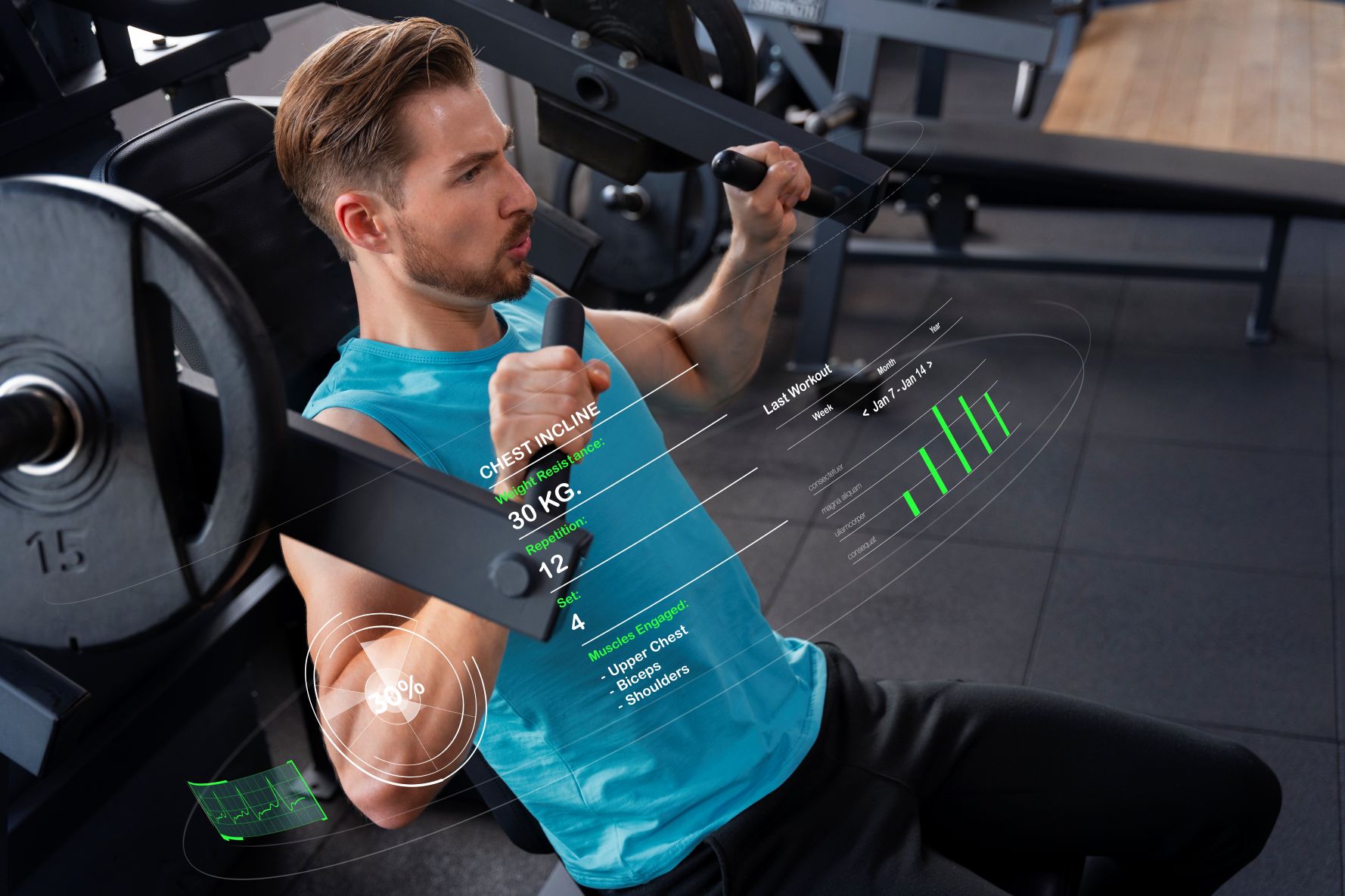
Real-time data analysis,
personalised comments, and injury protection for players of all levels are some
of the ways that AI sports coaching apps are changing training. These apps make
training smarter, more scalable, and more accurate for all levels, from youth
games to elite leagues. Working with a skilled company that makes sports apps
is now necessary for success in the market. The impact of AI on sports coaching
is discussed in this article.
How
AI is changing sports coaching
This shift to insights
powered by AI is changing the way coaches do their jobs. It's no surprise that
the market for AI in sports will grow to almost $30 billion by 2032. This shows
how quickly teams are accepting these technologies. If you want to see some
ways AI can make sports coaching better, try these:
- Game
planning: An AI and a tough opponent can run thousands of
virtual situations in minutes, so a coach doesn't have to watch hours of film.
Let the tools tell you which changes to make to the plan.
- Injury
prevention: AI tools now look at data from physics,
wearable tech, and workout logs to find early danger signs. An AI tool
predicted 72% of injuries before they happened in a professional football
trial. This let coaches change training plans or rest players who were at risk.
- Technique
analysis: AI video software analyses every movement in a throw
to the plate, a landing in the gymnast or a swimming kick in the swimmer to
spot errors or fatigue that would be hard for a human to detect.
Artificial intelligence
is not just a sophisticated numerical calculator. Not just a glorified number
cruncher, AI smartly assists in operational, tactical, and health-related
decisions every season.
Benefits
of using AI in sports coaching
Here are some of the most
important ways that AI helps teaching.
- Smarter,
data-backed strategies: In the past, coaches relied only on
their gut feelings. While that's still important, AI can look at large amounts
of data to back up gut feelings. It can look through huge amounts of biometric
data, training logs, and game video to find out what works and what doesn't.
- Keeping
athletes safer for longer: One of the best things about AI?
Stopping injuries. When an athlete's risk of damage is rising, AI can tell by
keeping track of things like movement habits, workload, and tiredness.
- Personalised coaching without a huge staff: In the past, it took a whole team of teachers to give each player personalised comments. Now, thanks to AI, one teacher can make personalised workout plans for the whole team.
- Tracking
physical and mental performance: The use of AI helps
coaches keep track of their players' mental and physical growth over time. It
can keep track of things like heart rate, speed, and endurance. It can also
notice changes in mood or stress (from surveys or other sources).
Conclusion
AI and data have had a
huge effect on modern sports coaching. It is taking the science of sports to a
whole new level and giving managers the tools they need to improve every aspect
of an athlete's success, from their physical strength to their strategic
thinking.